.avif)

Ceiling Water Damage in Houston TX: What a Water Stain Can Mean and What to Do Next
Water Damage Restoration
Found a water stain or wet ceiling in Houston TX? Precision Restoration provides 24/7 water damage inspection, extraction, structural drying, and repairs. Call (346) 209-2992.
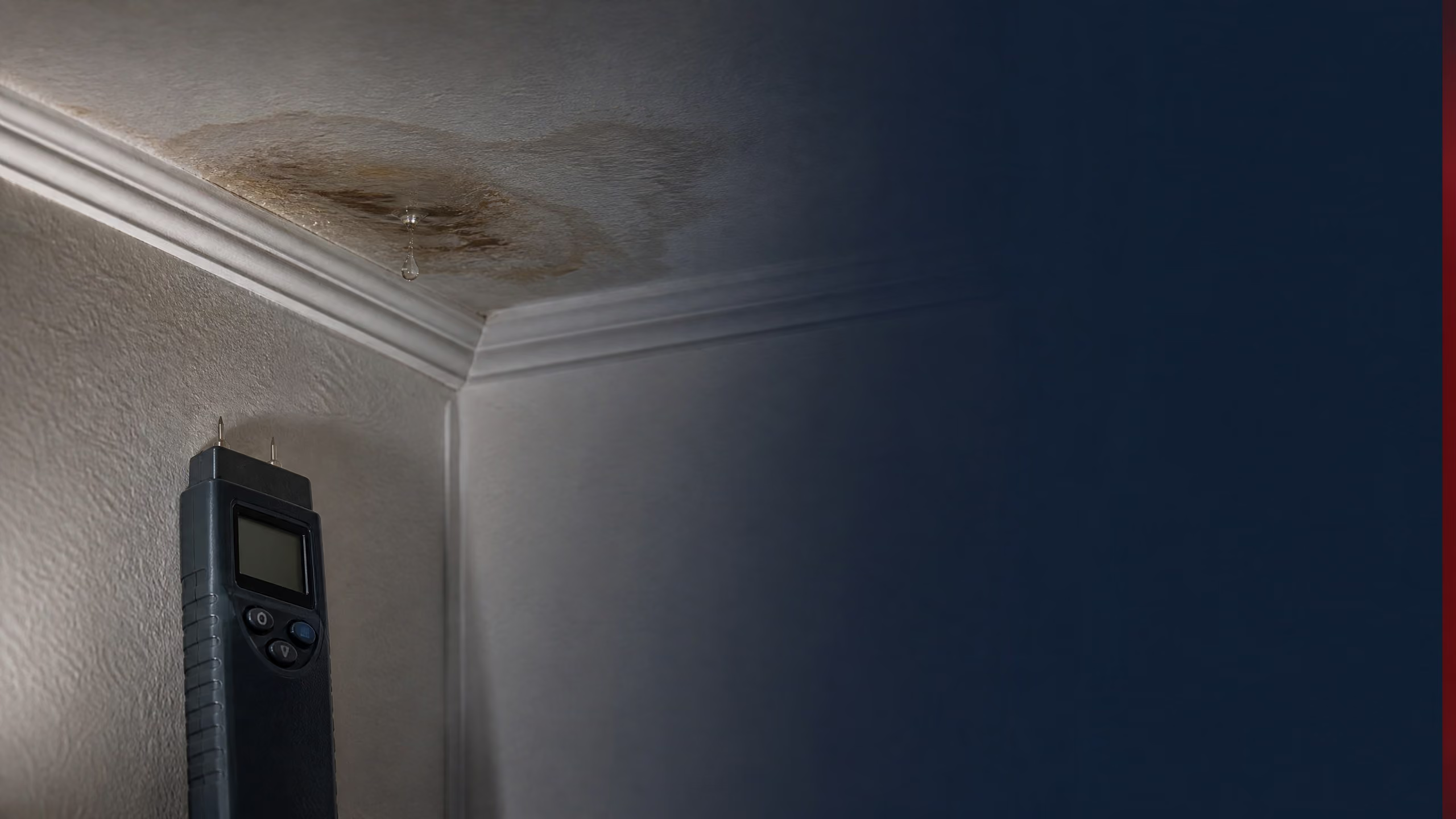
A water stain on the ceiling is never something to ignore. For homeowners and property managers in Houston TX, a brown ring, sagging spot, or slow drip can be the first visible sign of a much larger water damage problem above the ceiling line. The source may be a roof leak after heavy rain, a broken plumbing line in an upper floor, a failing HVAC drain pan, or a hidden leak that has been feeding moisture into the structure for days or weeks. Precision Restoration of Texas provides emergency water damage restoration throughout Houston, Spring, and the surrounding communities. As a veteran-owned local company guided by the principle of Aiming for Excellence, we respond with the urgency, clear communication, and professional drying equipment needed to stop the damage before it spreads.
Why Ceiling Water Damage in Houston TX Can Become Serious Fast
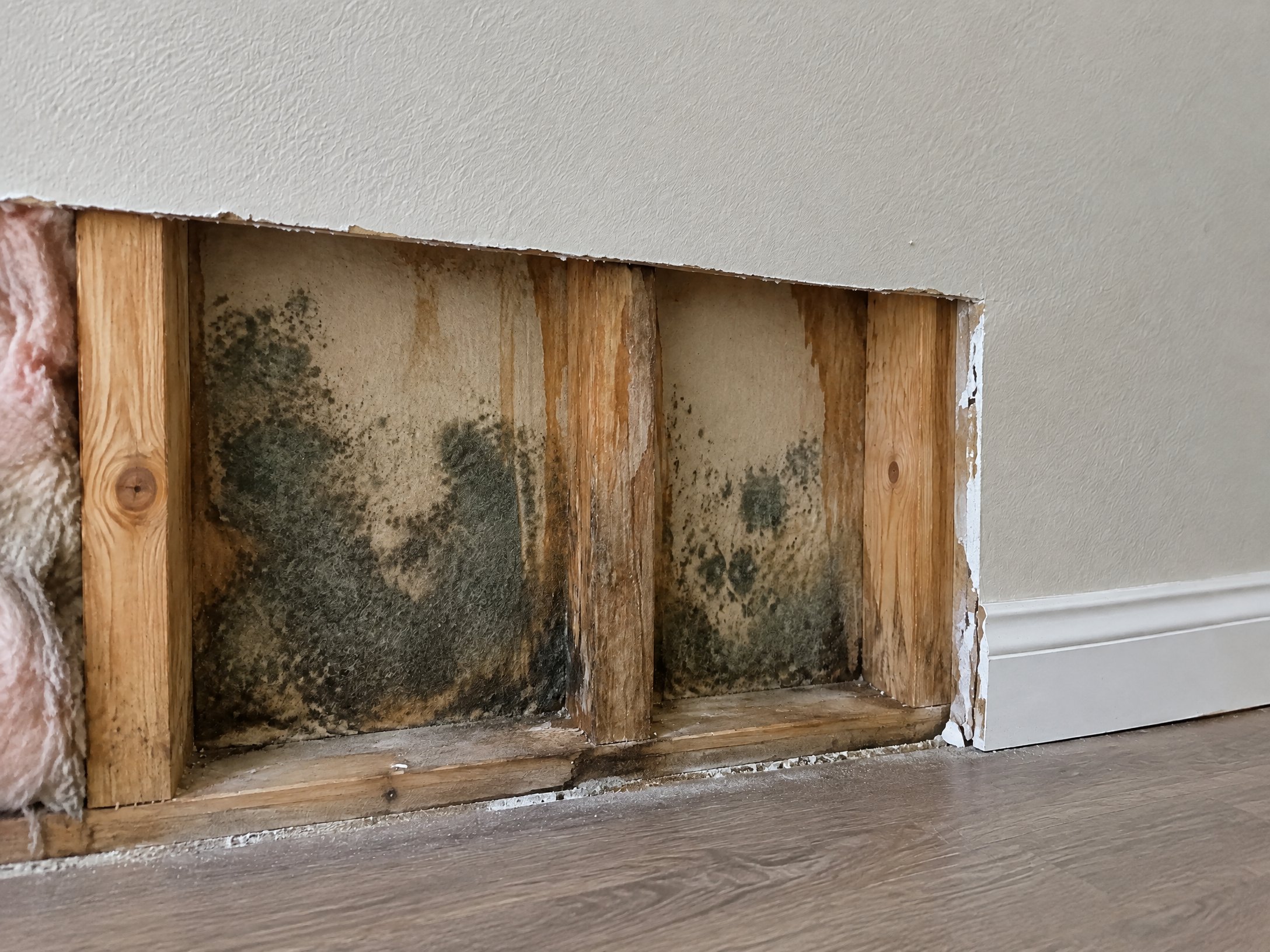
Water does not stay where it starts. Once it enters an attic, floor cavity, or wall system, it follows framing members, electrical pathways, insulation, and gravity. The stain you can see may represent only a small portion of the moisture that has spread through the property. Houston's humidity makes that problem more urgent. Wet drywall, insulation, wood framing, and ceiling materials can remain damp longer in a humid environment. If materials are not properly dried, the moisture can lead to soft drywall, warped framing, damaged insulation, peeling paint, and mold growth. A ceiling that starts with a small water ring can eventually sag, collapse, or contaminate the room below with wet insulation and debris. A ceiling water stain is also a warning that should be investigated before cosmetic repairs begin. Painting over a stain or replacing a small section of drywall without finding the moisture source only hides the problem. Professional water damage restoration focuses first on stopping the source, then mapping the water migration, drying the structure, and finally repairing the visible damage.
Common Causes of Water Stains and Wet Ceilings
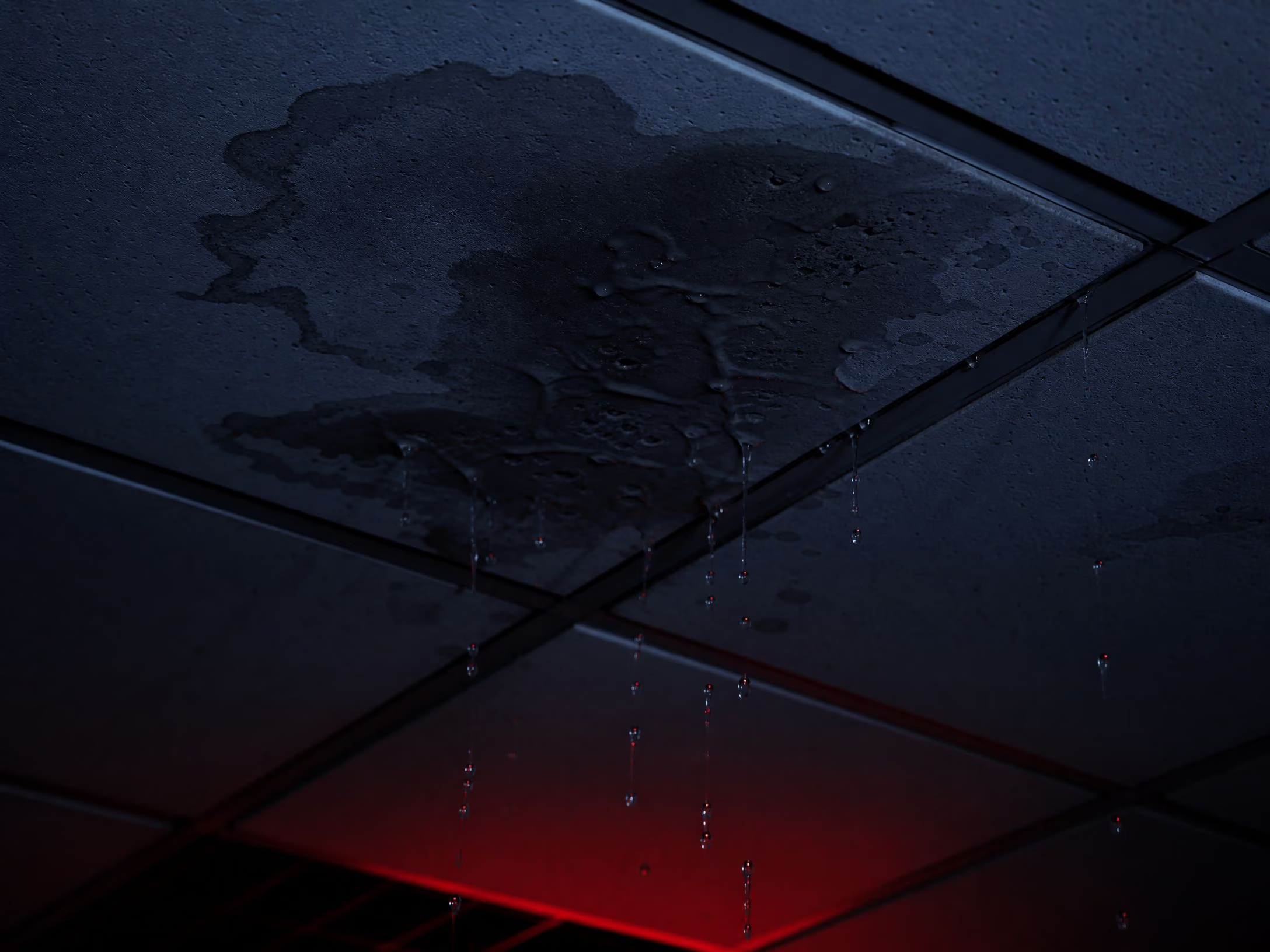
The source of ceiling water damage is not always obvious. In Houston TX homes and commercial properties, the most common causes include the following. Roof leaks after rain or storm damage. Missing shingles, worn flashing, damaged vent boots, clogged gutters, and hail-related roof damage can allow rainwater into an attic. The water may travel along rafters before it reaches the ceiling below, which means the stain is not always directly beneath the roof opening. Plumbing leaks from an upper floor. In two-story homes, a leaking toilet seal, shower drain, supply line, refrigerator line, or bathroom pipe can send water directly into the ceiling below. These leaks can be sudden and obvious, or slow enough to cause hidden damage before they are discovered. HVAC condensation problems. In the Houston area, air conditioning systems work hard for much of the year. A clogged condensate drain, cracked drain pan, frozen evaporator coil, or disconnected drain line can release water into attic spaces, closets, or ceiling cavities. Water heater or appliance failures. A leaking water heater located in an attic, a washing machine on an upper floor, or a failed dishwasher line can allow water to migrate into ceilings, walls, and floor systems quickly. Fire suppression or commercial plumbing failures. In offices, retail spaces, apartment buildings, and other commercial properties, a sprinkler line or overhead pipe failure can affect large areas of ceiling tile, insulation, electrical systems, and flooring in a short period of time.
What to Do When You Find Water Damage on Your Ceiling
If you notice a water stain, dripping ceiling, or sagging drywall, take action right away. Your first priority is safety, especially if water is close to lighting fixtures, outlets, or electrical equipment. Move people and valuables away from the affected area. Do not stand beneath a sagging or bulging ceiling. Move furniture, electronics, rugs, and personal belongings away from the area if it is safe to do so. Turn off electricity to the affected room if necessary. Water near recessed lighting, ceiling fans, outlets, or electrical wiring can create a shock or fire risk. If you can safely access your breaker panel, turn off power to the affected area. Do not touch fixtures or switches that may be wet. Contain active drips carefully. Place a bucket or container under a drip to protect flooring. If water is collecting above a sagging ceiling, do not puncture the ceiling unless a qualified professional advises you to do so. A water-filled ceiling can be unstable, and the release must be controlled to avoid injury and further damage. Stop the source if you can identify it safely. If the issue is a burst plumbing line, turn off the appropriate water valve or the main water supply. If it is an HVAC drain issue, turn off the system to prevent additional leakage. If the source is a roof leak during a storm, stay away from the attic until it is safe and call a professional for emergency protection. Document the damage. Take photographs and videos of the stain, dripping water, ceiling condition, and any damaged contents before cleanup begins. This documentation can be helpful for your insurance claim. Call Precision Restoration of Texas at (346) 209-2992. We provide 24/7 emergency response for water damage in Houston TX. Our team can inspect the damage, identify hidden moisture, begin extraction and drying, and help you understand the next steps.
How Precision Restoration Handles Ceiling Water Damage
Ceiling water damage requires more than setting out fans and waiting for the area to dry. Precision Restoration follows a documented process designed to protect the structure and reduce the risk of secondary damage. Inspection and moisture mapping. Our IICRC-certified technicians use moisture meters and thermal imaging to locate water that has moved beyond the visible stain. We inspect the ceiling, adjacent walls, insulation, attic or upper-floor areas, and flooring below the affected area. Source control and emergency protection. If the water source is still active, we coordinate the appropriate response to stop it. This may include working with a plumber, securing a damaged roof area, or addressing an HVAC condensation issue. Water extraction and controlled removal. When water is trapped above a ceiling or within wet insulation, carefully controlled extraction and selective material removal may be necessary. Removing saturated drywall or insulation can prevent collapse, expose wet framing, and allow the structure to dry correctly. Structural drying. We place commercial air movers and dehumidifiers based on moisture readings and the materials affected. Our goal is to remove moisture from the building materials, not simply dry the surface. We monitor the process and adjust equipment until readings confirm that the area has returned to an acceptable dry standard. Cleaning, treatment, and reconstruction. After drying is complete, affected surfaces are cleaned and treated as needed. Our full-service team can handle the reconstruction phase, including drywall, texture, paint, flooring, and other repairs, so you do not have to manage separate companies.
Why You Should Not Paint Over a Ceiling Water Stain
Painting over a ceiling stain before the source and moisture are addressed is one of the most common mistakes property owners make. Stain-blocking primer may cover discoloration temporarily, but it does not remove water from insulation or framing. It does not identify a plumbing leak. It does not prevent roof-related water intrusion. Most importantly, it does not stop mold growth in a damp ceiling cavity. If a stain returns after painting, grows larger, or feels soft to the touch, there is likely an active moisture issue. Calling a restoration professional early gives you the best opportunity to limit the scope of repairs and protect your property.
Frequently Asked Questions About Ceiling Water Damage in Houston TX
Q: Is a water stain on the ceiling an emergency?
A water stain should be treated as urgent, especially if it is growing, actively dripping, soft, or near electrical fixtures. The visible stain may be much smaller than the moisture hidden behind the ceiling. Precision Restoration can assess the area and determine whether emergency extraction and drying are needed.
Q: Can a ceiling collapse from water damage?
Yes. Drywall becomes heavy and unstable when saturated. A sagging or bulging ceiling can collapse without warning, particularly when wet insulation or a large amount of trapped water is present. Keep people away from the area and call a professional immediately.
Q: Does homeowners insurance cover ceiling water damage?
Coverage depends on the cause. Sudden and accidental events, such as a burst pipe or appliance failure, are often covered under standard policies. Damage from a long-term maintenance issue may be handled differently. Precision Restoration provides detailed documentation to support the insurance process.
Q: How long does ceiling water damage restoration take?
The drying portion usually takes several days, depending on the source, the amount of moisture, and the materials affected. Reconstruction begins after the structure is confirmed dry. We provide a clear project plan and regular updates throughout the process.
Q: Can mold grow above a water-damaged ceiling?
Yes. Mold can grow in damp drywall, insulation, and wood framing if moisture remains after a leak. Fast professional drying is the best way to reduce the risk of mold growth after ceiling water damage.
Have a Water Stain or Wet Ceiling in Houston TX?
Do not wait for a small stain to become a ceiling collapse, mold problem, or major reconstruction project. Precision Restoration of Texas is a veteran-owned local restoration company serving Houston, Spring, and the surrounding area with 24/7 emergency water damage response. Call (346) 209-2992 now or visit pro-texas.com to request help. At Precision Restoration, we are Aiming for Excellence on every job.