.avif)

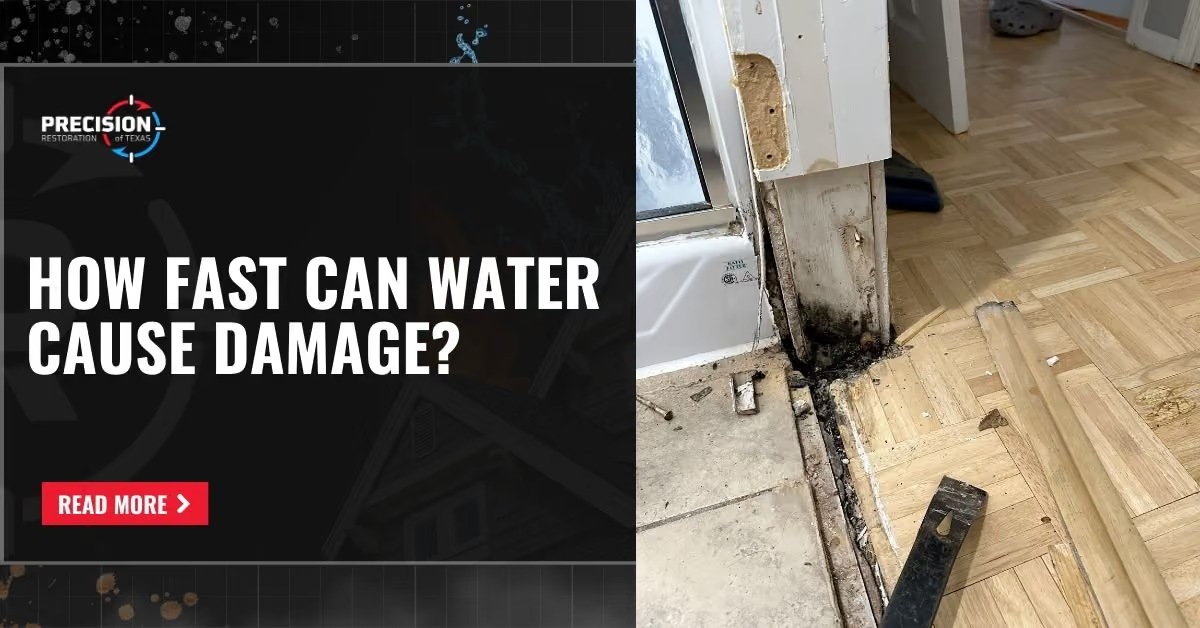
How Fast Can Water Cause Damage?
Water Damage
Water damage moves faster than most homeowners realize, with serious consequences developing within minutes of initial exposure and escalating dramatically over the following hours and days. Understanding the timeline of water damage helps Houston area property owners appreciate the urgency of professional response and the true cost of delay. This article breaks down exactly what happens to a home at each stage of water exposure — from the first minutes through the first week — and explains why immediate professional intervention is the most important factor in limiting the overall scope of water damage in Houston TX.


The Timeline of Water Damage: What Happens and When
Water damage does not wait. From the moment water enters a structure, a predictable sequence of deterioration begins. Understanding this timeline helps Houston area homeowners recognize why immediate professional response is so critical — and why every hour of delay increases both the extent of the damage and the cost of restoration.
Within the First Minutes
In the first minutes after water intrusion, water begins spreading rapidly across floors and into porous materials. Carpet, padding, drywall, and wood flooring begin absorbing water immediately. Furniture legs and lower cabinet surfaces begin to swell. Electronics and documents in contact with water sustain immediate damage. The water continues to spread as long as the source remains active, covering increasingly large areas of the structure.
Within the First Hour
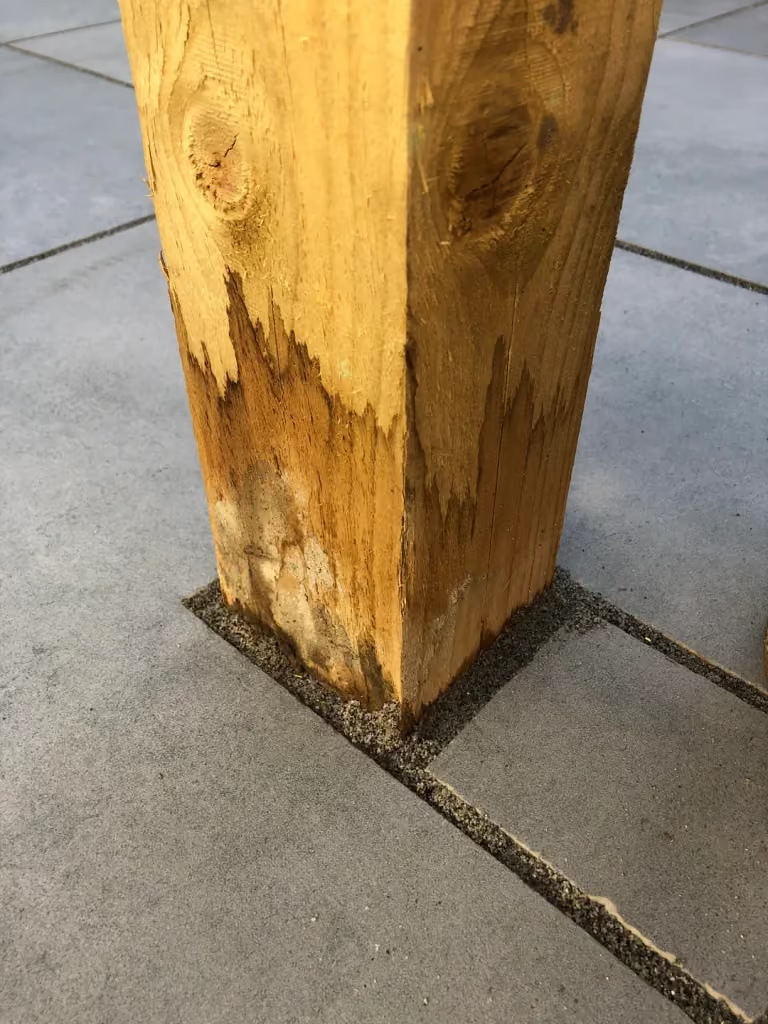
Within the first hour, water has typically spread to adjacent rooms and begun wicking upward into walls. Drywall begins to soften and deteriorate. Wood subfloor starts to swell and warp. Furniture finishes begin to bleed and stain adjacent surfaces. If the water source has not been shut off, the volume of affected area continues to grow. The structural integrity of saturated materials begins to decline.
Within the First 24 Hours
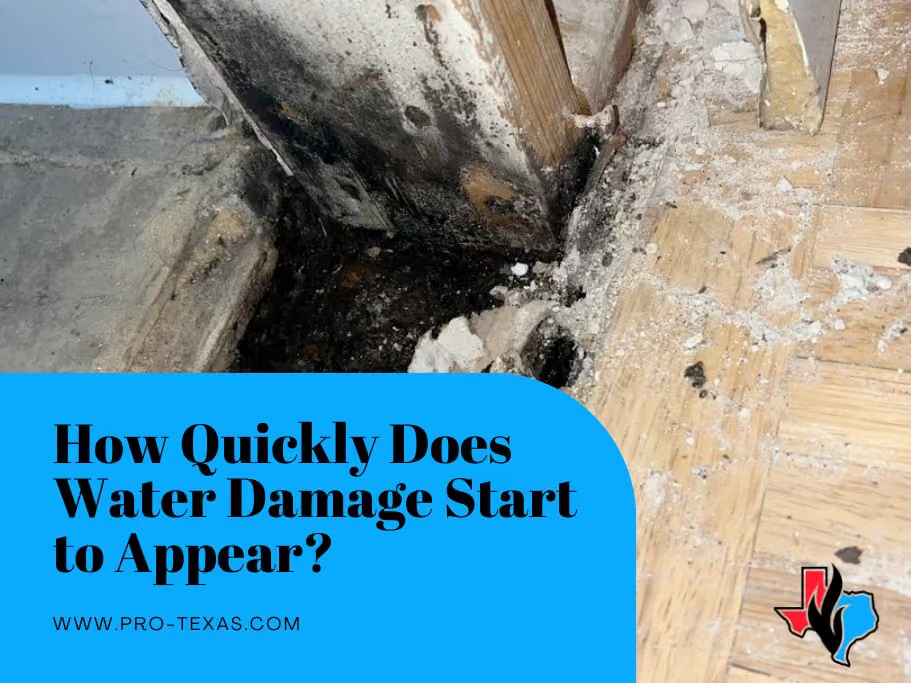
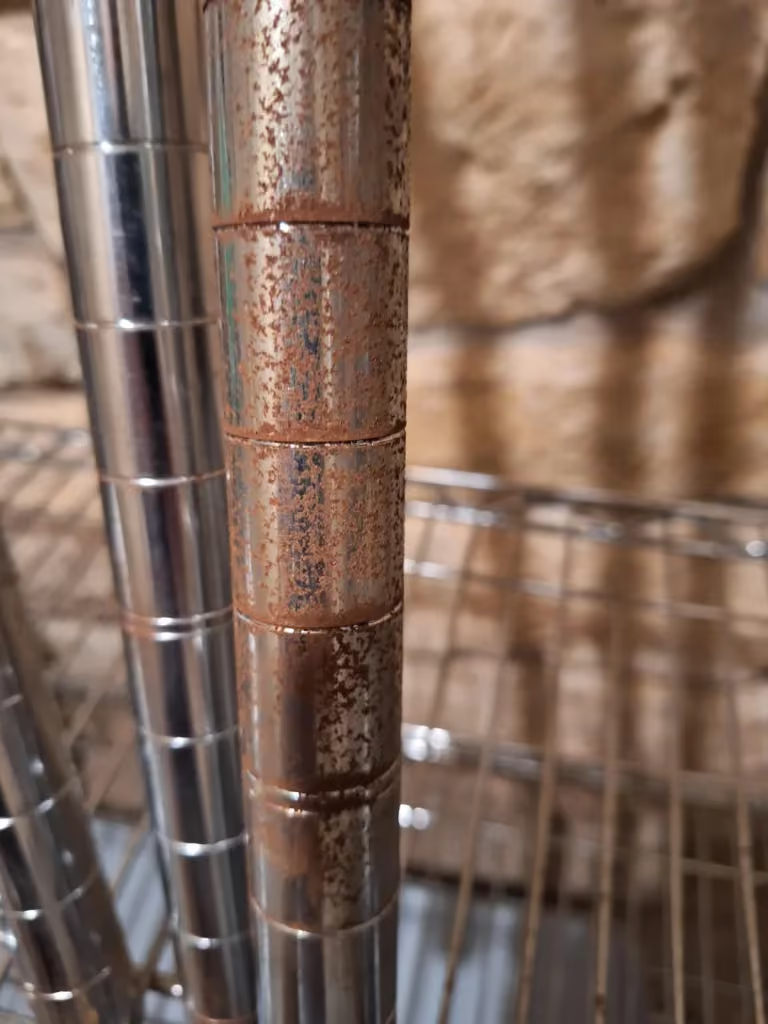
Within 24 hours, the damage has expanded significantly. Drywall may be structurally compromised and beginning to crumble. Wood framing and subfloor have absorbed substantial moisture. Metal components begin to show early signs of rust and corrosion. Most critically, the conditions for mold growth have been established — mold spores are present in virtually every indoor environment and begin germinating when moisture levels remain elevated for more than 24 to 48 hours.
Within 48 to 72 Hours
Between 48 and 72 hours after water intrusion, mold growth becomes visible in many cases. Structural materials continue to deteriorate. Odors from microbial activity become noticeable. The cost of restoration increases substantially compared to what it would have been with immediate professional response. Secondary damage — damage caused by the water damage itself rather than the original water event — begins to compound the original loss.
After One Week
After a week of unaddressed water damage, structural components may be severely compromised. Mold colonies are well established and may have spread to areas beyond the original water intrusion zone. Remediation costs are significantly higher than they would have been with prompt response. In severe cases, portions of the structure may need to be demolished and rebuilt rather than simply dried and repaired.
Why Immediate Professional Response Changes the Outcome
The difference between a water damage event that is addressed within the first few hours and one that is left unaddressed for 24 to 48 hours is dramatic — in terms of both the extent of the damage and the cost of restoration. Precision Restoration's 24/7 emergency response team in Houston TX arrives quickly with professional extraction and drying equipment to stop the damage progression as early as possible. The sooner professional mitigation begins, the better the outcome for your Houston TX property.
Common Causes of Water Damage in Houston TX
Houston TX properties face water damage risk from multiple sources year-round. Burst and leaking pipes are among the most common causes, particularly during Houston's occasional cold snaps when pipes in uninsulated areas can freeze and rupture. Appliance failures — water heaters, washing machines, dishwashers, and refrigerator ice makers — are another frequent source. Houston's intense storm season brings roof leaks, window failures, and flooding from both storm surge and flash flooding. HVAC condensate line failures are a particularly common cause of hidden water damage in Houston's humid climate.