.avif)

Water Damage Insurance Claims in Houston TX: When to Call a Restoration Professional
Insurance Claim Assistance / Water Damage Restoration
Need help with a water damage insurance claim in Houston TX? Learn when to call a restoration professional, what to document, and how Precision Restoration helps. Call (346) 209-2992.
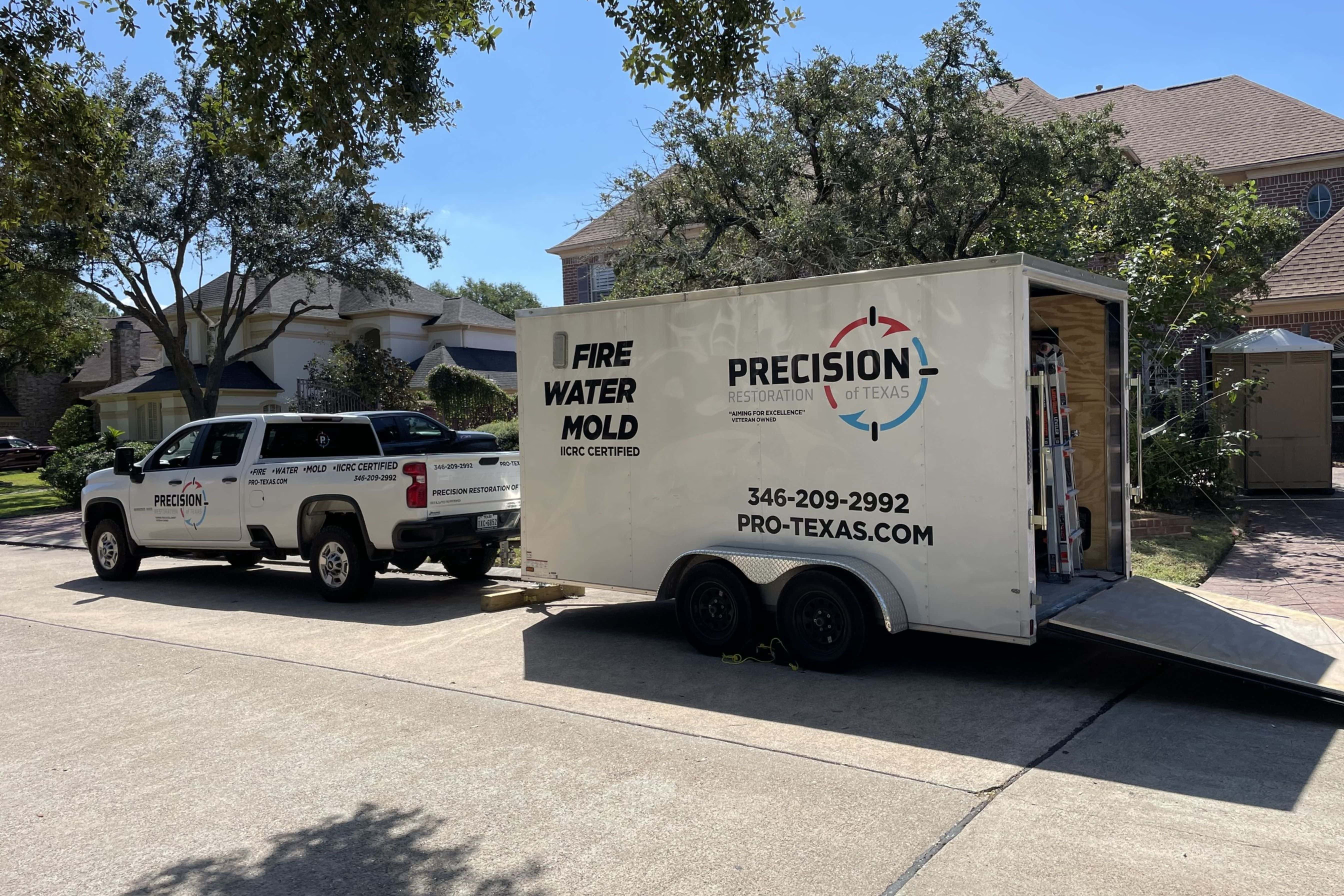
Water damage insurance claims in Houston TX can feel overwhelming from the moment you discover a burst pipe, leaking water heater, roof leak, or flooded room. You may be trying to stop the water, protect your belongings, contact your insurance carrier, and decide whether the situation requires a professional restoration company, all at the same time. Making the right decisions in the first hours can help reduce secondary damage, create better documentation, and give you a clearer path through the claims process. Precision Restoration of Texas helps homeowners, business owners, and property managers throughout Houston, Spring, and the surrounding communities respond to water damage with confidence. We are a veteran-owned local restoration company committed to Aiming for Excellence in emergency response, documentation, communication, mitigation, and reconstruction. While we do not make coverage decisions for your insurer, we provide the professional assessment and detailed restoration records that help you understand the damage and support a well-documented claim.
When You Should Call a Restoration Professional for Water Damage
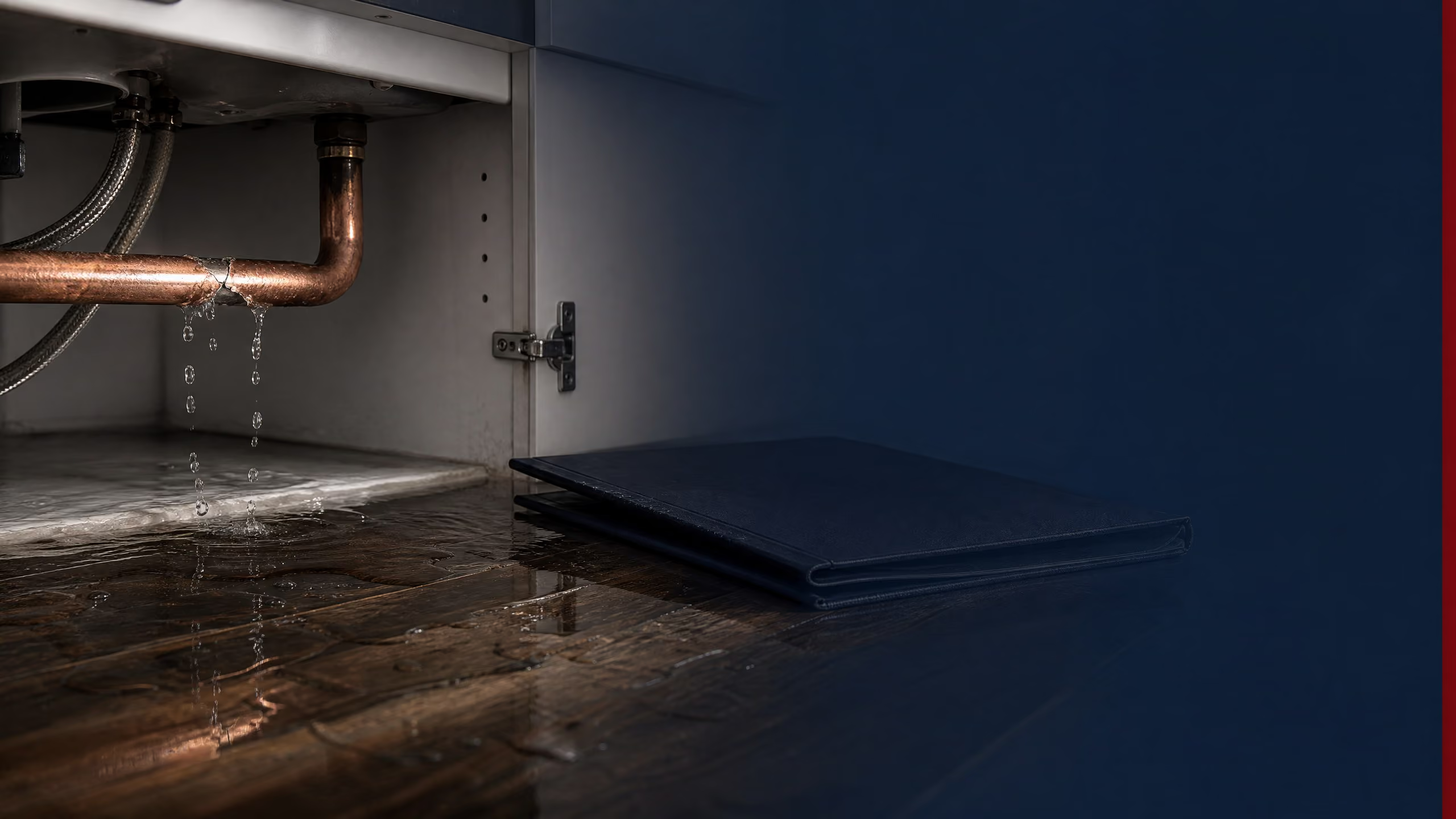
Not every small spill requires a restoration company. A small amount of clean water from an overflowing sink that is immediately dried may be manageable with basic cleanup. However, water damage becomes a professional restoration issue when moisture has moved beyond the visible surface, when the water source is contaminated, or when there is a risk of structural damage or mold growth. Call a restoration professional immediately if you have any of the following situations. A burst pipe or active plumbing leak. Water from a burst supply line can spread rapidly through walls, ceilings, cabinets, flooring, and adjacent rooms. Even after a plumber stops the leak, the affected materials may still require extraction and structural drying. Water reaching carpet, hardwood, drywall, cabinets, or insulation. These materials can absorb and retain moisture. Surface drying with towels may not reach the carpet pad, subfloor, wall cavity, or insulation behind the visible area. Water coming from a toilet, sewage line, dishwasher, washing machine, or outside floodwater. The source of the water matters. Water that may contain contaminants requires special handling, cleaning, and in some cases removal of affected porous materials. A wet ceiling, sagging drywall, or water near electrical systems. Water overhead or near outlets, fixtures, electrical panels, and appliances can create immediate safety risks. Keep people away from the area and call for professional help. A leak that has been present for an unknown amount of time. Slow leaks can cause hidden moisture, wood damage, and mold growth before they become visible. If you notice a musty smell, staining, soft flooring, or bubbling paint, a professional inspection is recommended. A commercial water event. Offices, retail stores, restaurants, warehouses, and multi-family properties have more complex systems, greater business interruption risk, and larger areas that may be affected. Fast commercial mitigation can help reduce downtime and protect inventory, equipment, and tenant spaces.
First Steps to Take Before and After Calling Your Insurance Company
The first call after a water damage emergency is often to your insurance carrier. That is an appropriate step, but it should not delay emergency mitigation. Insurance companies expect property owners to take reasonable steps to prevent additional damage after a loss. Waiting for an adjuster before extracting water or drying the structure can allow the damage to worsen. Here is a practical sequence for Houston TX property owners. Step 1: Make the property safe. Shut off the water source if you can safely identify it. Turn off electricity to affected areas if water is near outlets, fixtures, or appliances. Keep people and pets away from standing water and unstable ceilings. Step 2: Document the visible damage. Take photographs and video of the water source, affected rooms, water levels, damaged materials, and affected contents. Capture wide shots of each room and close-up shots of specific damage. Do this before major cleanup begins, as long as it is safe. Step 3: Call Precision Restoration of Texas. We can respond 24/7, inspect the damage, begin emergency extraction and drying, and document the moisture conditions. Fast mitigation helps reduce the total scope of the loss. Step 4: Notify your insurance carrier. Report the claim and provide the basic information they request. Keep your claim number, adjuster contact information, and policy details in one place. Step 5: Save receipts and records. Keep receipts for emergency purchases, temporary repairs, hotel stays, storage, or other loss-related expenses. Your insurer will explain which expenses may be eligible under your policy. Step 6: Communicate clearly with the adjuster. Provide the restoration documentation, photos, moisture logs, and estimate prepared by Precision Restoration. Ask questions if any part of the scope or process is unclear.
How Professional Water Mitigation Helps Protect Your Claim
A restoration professional does more than remove visible water. Professional mitigation creates a documented record of the damage, the emergency response, the drying process, and the final condition of the affected materials. Precision Restoration uses moisture meters and thermal imaging to identify moisture that may not be visible. We document the affected areas, take readings during the drying process, record equipment placement, and provide a clear scope of work. This information helps establish why certain materials need to be dried, cleaned, removed, or rebuilt. Professional documentation can be especially important when water has affected concealed areas. For example, a pipe leak may saturate insulation and drywall inside a wall without causing obvious surface damage. A moisture map and daily drying records help explain why selective drywall removal, antimicrobial treatment, or extended drying time may be necessary. For commercial property claims, the documentation process is even more important. Business owners may need records related to damaged inventory, equipment, tenant improvements, interrupted operations, and emergency mitigation costs. Precision Restoration works with property managers and commercial clients to provide organized documentation for the restoration portion of the claim.
What Insurance May Cover and Why the Cause Matters
Insurance coverage depends on your policy, endorsements, deductible, exclusions, and the cause of the water damage. Your insurance carrier makes the coverage determination, but understanding the general distinction between sudden events and long-term issues can help you ask better questions. Sudden and accidental water damage. A burst pipe, sudden appliance failure, or accidental overflow may be covered under many standard homeowners or commercial property policies. The restoration work needed to dry the structure and repair covered damage may be included, subject to your policy terms. Gradual leaks and maintenance issues. Damage caused by a slow leak that developed over a long period may be treated differently. Insurers may investigate whether the issue was sudden or whether it resulted from deferred maintenance. This is one reason fast inspection and clear documentation are valuable. Floodwater from outside the property. Water that enters from rising water, storm surge, overflowing waterways, or surface flooding is generally treated differently from internal plumbing leaks. Flood coverage is often separate from standard homeowners coverage. If you have flood insurance, contact the appropriate carrier promptly. Sewer and drain backup. Sewage backup coverage may require a separate endorsement. Because sewage-contaminated water is a health hazard, professional cleanup should begin quickly regardless of the coverage question. The safest approach is to report the loss, review your policy with your insurer or agent, and let a professional restoration company document and mitigate the damage. Do not delay necessary emergency work solely because you are waiting for a final coverage decision.
Common Mistakes That Can Make Water Damage Worse
Water damage is stressful, and it is easy to make decisions that seem reasonable in the moment but create larger problems later. These are some of the most common mistakes Precision Restoration sees in Houston TX properties. Waiting too long to start drying. The longer wet materials remain in place, the greater the risk of swelling, warping, structural deterioration, and mold growth. Emergency mitigation should begin as soon as possible. Cleaning only what is visible. Water can migrate behind walls, under flooring, through cabinets, and into insulation. A floor that feels dry on top may still have a wet subfloor underneath. Throwing away damaged items before documenting them. Damaged contents should be photographed and inventoried before disposal whenever possible. If contaminated materials must be removed urgently, the restoration team can document them first. Making permanent repairs before the adjuster or restoration assessment. Temporary measures to prevent further damage are important. However, major permanent repairs should generally wait until the damage has been fully documented and the restoration scope is established. Using household fans as the entire drying plan. Fans may help move air, but they do not remove the moisture from a saturated structure. Commercial dehumidification and moisture monitoring are necessary for significant water damage.
Frequently Asked Questions About Water Damage Insurance Claims in Houston TX
Q: Should I call my insurance company or a restoration company first?
If there is active water damage, call a restoration company immediately so mitigation can begin, then notify your insurer as soon as possible. Emergency extraction and drying help prevent additional loss, while the claim should be reported promptly. Precision Restoration can document the conditions and provide information for your adjuster.
Q: Do I have to use the restoration company recommended by my insurance carrier?
In many situations, property owners have the right to choose their own qualified restoration company. Review your policy and speak with your insurer if you have questions. Precision Restoration can work with your carrier while remaining accountable to you as the property owner.
Q: What should I save for a water damage claim?
Save photos, video, claim numbers, adjuster contact information, receipts, invoices, damaged-item lists, and all documents from the restoration process. Keep notes of important conversations, including dates and names.
Q: Will insurance cover mold after water damage?
Coverage for mold depends on the cause of the water damage and the terms of your policy. Mold related to a covered sudden event may be covered, often with specific limits. Fast mitigation and documentation help demonstrate that you acted promptly to prevent further damage.
Q: When is water damage too small to call a restoration professional?
If the water was clean, limited to a small surface area, and completely dried immediately, professional service may not be necessary. However, if water reached drywall, carpet pad, hardwood, cabinets, insulation, a ceiling, electrical systems, or any concealed area, it is wise to have the damage assessed.
Need Help With Water Damage or an Insurance Claim in Houston TX?
You do not have to manage a water emergency alone. Precision Restoration of Texas provides 24/7 emergency extraction, structural drying, detailed documentation, insurance claim support, and complete reconstruction services throughout Houston, Spring, and the surrounding area. Call (346) 209-2992 now or visit pro-texas.com to request help. We are veteran-owned, locally focused, and Aiming for Excellence from first response through final restoration.