.avif)

Dealing with Smoke After a House Fire
Fire Damage
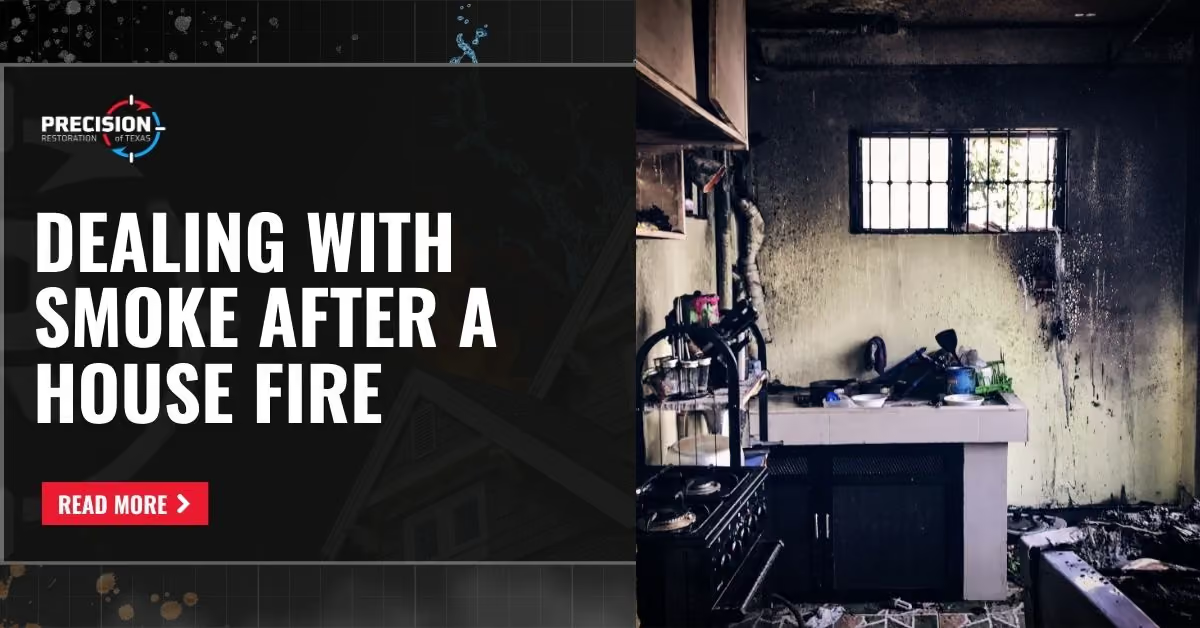
Smoke damage after a house fire is often more pervasive and longer-lasting than the fire damage itself, penetrating deep into walls, ceilings, HVAC systems, and personal belongings far beyond the immediate burn zone. Understanding how smoke behaves after a fire and what professional remediation involves is essential for Houston area homeowners facing this challenge. Precision Restoration explains the different types of smoke residue, the health risks associated with smoke exposure, and the professional techniques used to fully eliminate smoke damage and odor from fire-affected properties.
Why Smoke Damage After a House Fire Demands Immediate Attention
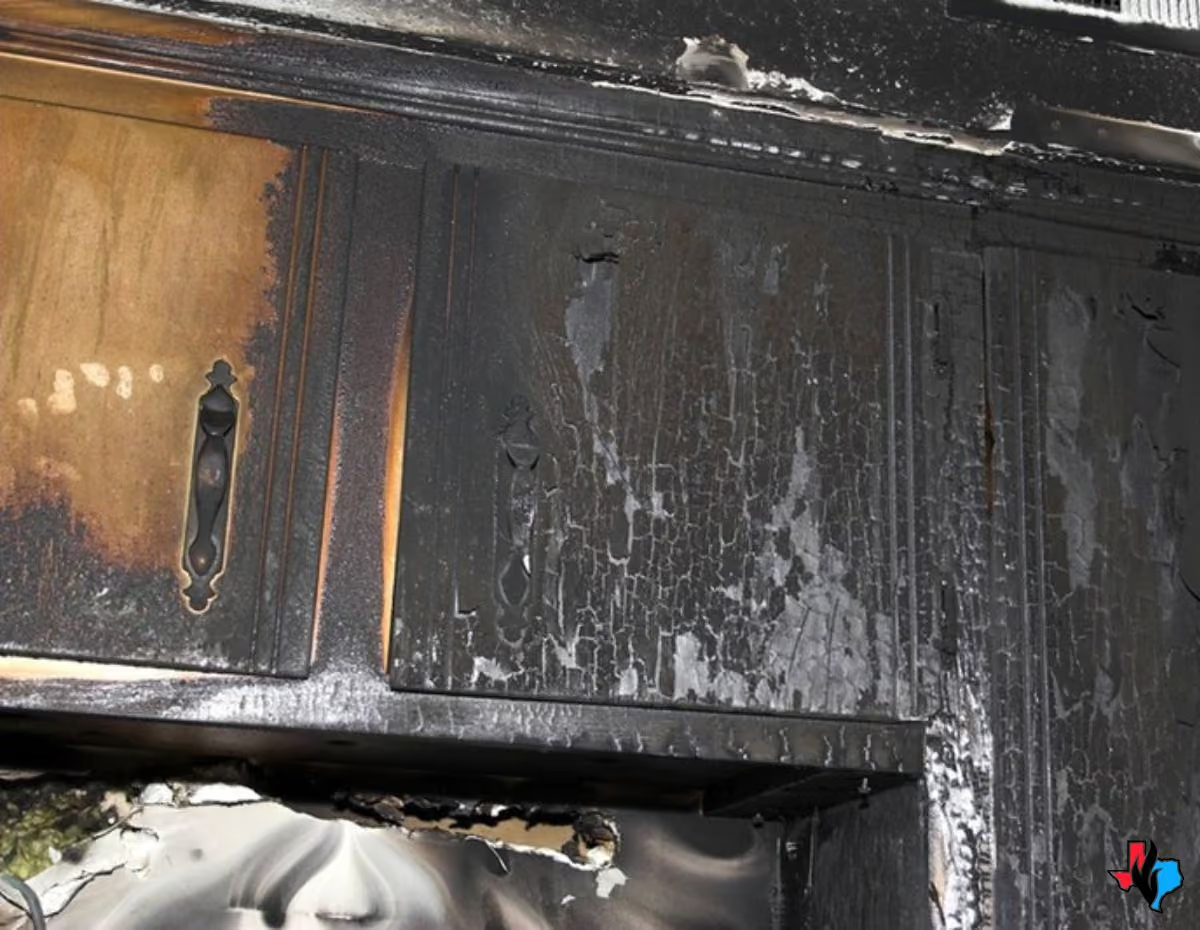
After a house fire, smoke damage continues to cause harm long after the flames are extinguished. Smoke residue is acidic and actively degrades surfaces it contacts — etching metals, staining fabrics, and discoloring walls and ceilings. The longer smoke residue sits on surfaces, the more permanent the damage becomes. In Houston's humid climate, smoke particles can also combine with moisture to create particularly stubborn staining and odor problems.
Understanding the Types of Smoke Residue
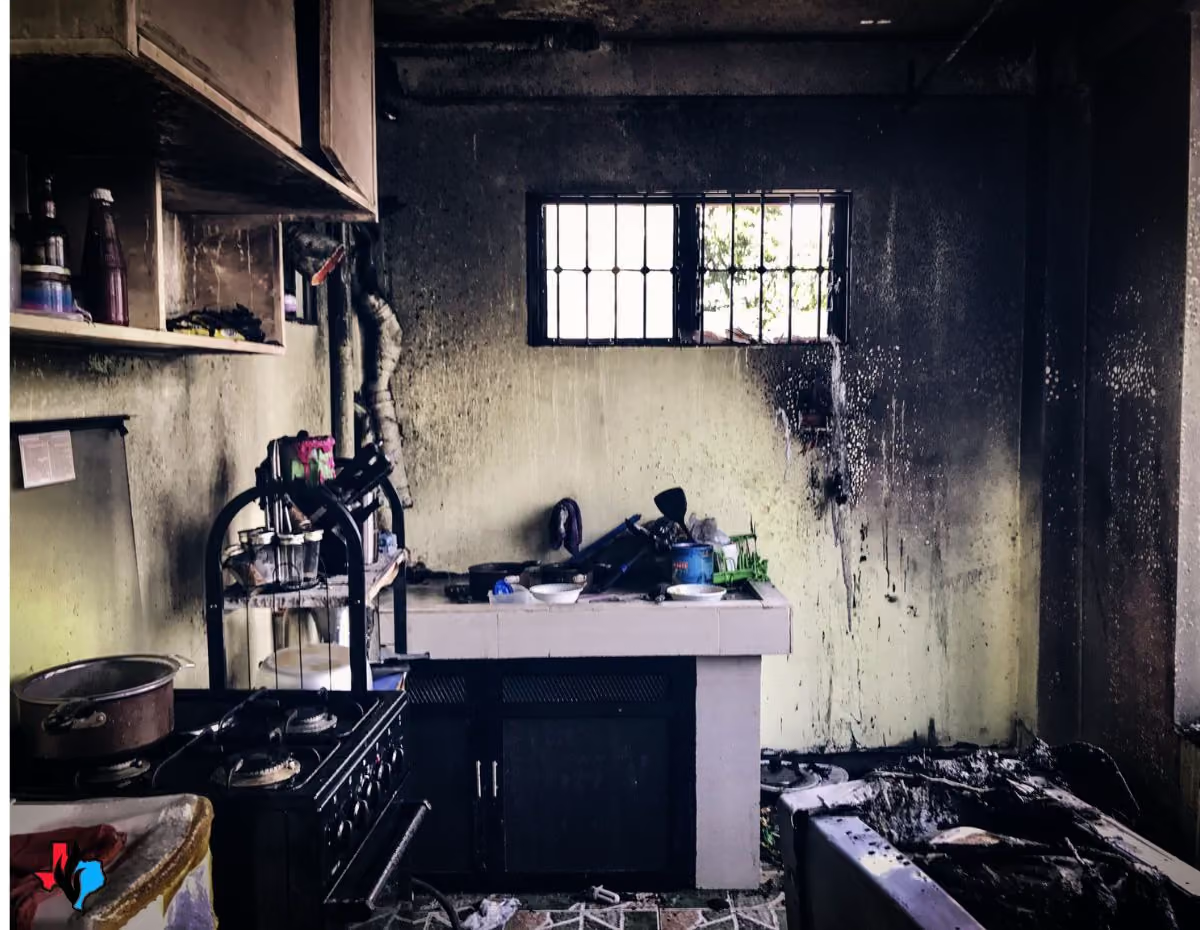
Not all smoke damage is the same. The type of smoke residue left behind depends on what burned and how the fire burned. Wet smoke residue results from slow, smoldering fires burning at low temperatures — it is sticky, smeary, and has a strong odor. Dry smoke residue comes from fast-burning, high-temperature fires and produces fine, powdery soot that penetrates deep into porous materials. Protein residue from kitchen fires is nearly invisible but has an extremely strong odor and requires specialized cleaning agents. Each type of smoke residue requires a different professional cleaning approach.
Where Smoke Travels in a House After a Fire
Smoke does not stay in the room where the fire occurred. It travels throughout the entire structure via air currents, HVAC systems, and gaps in walls and ceilings. Rooms on upper floors often sustain significant smoke damage even when the fire was confined to a lower level. HVAC systems can distribute smoke residue throughout every room in the house. Closets, cabinets, and other enclosed spaces trap smoke odor and require thorough cleaning to eliminate it.
Health Risks of Smoke Exposure After a House Fire
Smoke residue contains a complex mixture of toxic chemicals, heavy metals, and carcinogenic particles. Exposure to smoke residue — even after the fire is out — can cause respiratory irritation, headaches, and long-term health effects. Children, elderly individuals, and people with respiratory conditions are particularly vulnerable. Re-entering a smoke-damaged home without professional remediation poses genuine health risks that should not be underestimated.
Professional Smoke Odor Elimination Techniques
Eliminating smoke odor after a house fire requires more than surface cleaning and air fresheners. Precision Restoration uses a combination of advanced techniques to neutralize smoke odor at the molecular level. Thermal fogging uses a heated chemical fog that penetrates the same areas smoke reached during the fire, neutralizing odor-causing particles on contact. Hydroxyl generators produce hydroxyl radicals that break down odor molecules chemically. Ozone treatment is used in unoccupied spaces to oxidize and eliminate smoke odor compounds. These professional methods produce lasting results that surface cleaning alone cannot achieve.
Contents Cleaning After Smoke Damage
Personal belongings affected by smoke damage after a house fire often require specialized cleaning and restoration. Precision Restoration provides professional contents cleaning for smoke-affected furniture, clothing, documents, electronics, and artwork. Items are carefully inventoried, transported to our cleaning facility, and restored using appropriate techniques for each material type. The process is fully documented for insurance purposes, ensuring that every recoverable item is accounted for in your claim.
The Importance of Professional Smoke Damage Remediation
Attempting to clean smoke damage without professional training, equipment, and products typically results in incomplete remediation and persistent odor problems. DIY cleaning can also spread smoke residue rather than removing it, making the problem worse. Precision Restoration's certified technicians have the training, equipment, and experience to fully remediate smoke damage in Houston area homes, restoring them to a safe, clean, and odor-free condition after a house fire.