.avif)

Burst Pipe or Slow Leak? The Houston Homeowner’s Guide to Insurance Coverage for Water Damage
Insurance Claim Assistance
Water-damage insurance claims in Texas often depend on the cause. Learn the difference between a sudden pipe break, a gradual leak, a sewer backup, and floodwater.
The Short Answer
Homeowners insurance may pay for water damage when the cause is sudden and accidental, such as a burst pipe, overflowing toilet, or broken washing-machine hose. It often does not cover damage caused by a gradual leak, seepage, maintenance issues, or flooding unless the policy includes the relevant coverage. Your policy language, endorsements, deductible, limits, and the cause of loss determine the outcome. [1]
That distinction is easy to read and hard to apply when water is running across a Houston kitchen floor at 2 a.m. The best approach is to take emergency steps to prevent additional damage, document what happened, and contact your carrier promptly. Precision Restoration of Texas can help homeowners document the damage and navigate the restoration side of the process, but the insurer makes the final coverage decision.
Important: This article provides general information, not legal or insurance advice. Coverage varies by policy. Review your policy and speak with your agent or insurance company about your specific loss.
The Question Insurance Companies Usually Ask: What Caused the Water Damage?
The word “water” is too broad for insurance purposes. A claim commonly turns on the cause of the water, whether the event was sudden or gradual, and whether the policy contains an exclusion or an added endorsement.
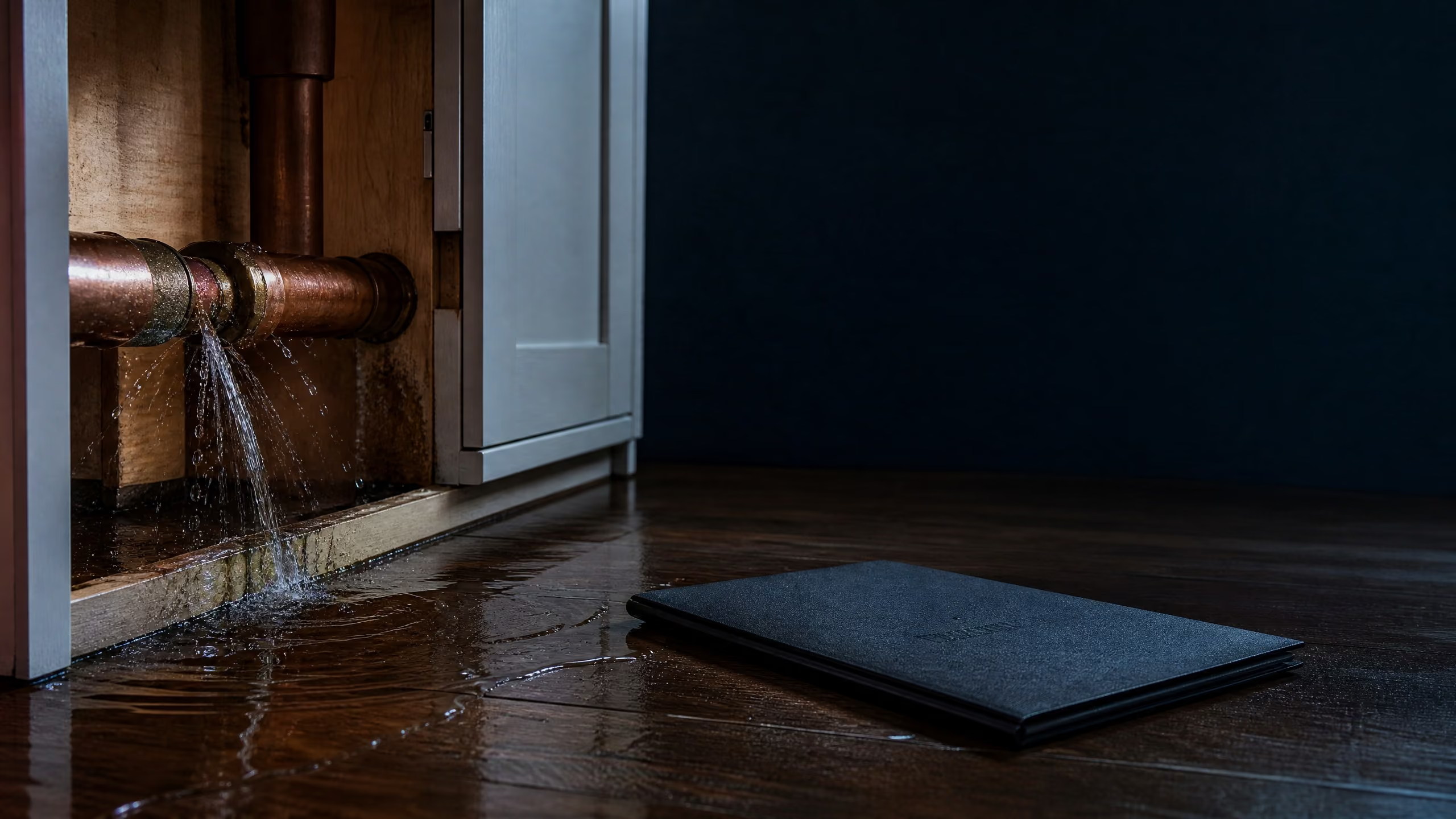
A burst supply pipe may be more likely to be covered when the break was sudden and accidental. You should still ask whether the policy covers the resulting damage and what deductible applies.
A broken washing-machine hose may be covered when it fails suddenly and damages the home. Ask whether the policy addresses only the resulting property damage or the appliance itself as well.
A toilet overflow may be treated differently from a sewer or drain backup. The difference matters because water-backup coverage may require a separate endorsement.
Water entering through a roof after a storm may involve a covered storm event, but the insurer will investigate whether pre-existing wear, maintenance issues, or a separate wind or hail claim affects coverage.
A long-term leak beneath a sink may be treated differently from a sudden break. Ask your insurer whether the policy includes any hidden-leak provision and when the damage was first discovered.
Street water, rising water, or other external floodwater may require a separate flood policy.
The Texas Department of Insurance states that most homeowners and renters policies cover sudden and accidental water damage, including examples such as burst pipes, toilet overflows, and broken washer hoses. It also says that policies usually do not cover gradual leaks or seepage, including the resulting mold damage. [1]
What Texas Homeowners Insurance Commonly Covers for Water Damage
Many policies provide coverage for resulting damage from a sudden accidental plumbing event. For example, if a pipe freezes and bursts, a policy may cover damage to the home caused by the released water, subject to the policy’s terms and limitations. The Texas Department of Insurance notes that many policies will pay for home damage caused by a frozen pipe that bursts, although limitations may apply. [2]
Coverage is not the same thing as an unlimited repair budget. A claim may still involve a deductible, applicable sublimits, depreciation depending on the policy, or limits on mold and water-backup coverage. The insurer will investigate the cause, scope, and policy terms before confirming what it will pay.
What About Mold After a Covered Water Loss?
Mold questions can be especially frustrating because timing matters. The Texas Department of Insurance explains that if mold develops on an item damaged by a sudden and accidental water event, it may be covered. It also cautions that most policies do not cover mold cleanup and testing after the damaged item is removed unless the policy includes added coverage. [1]
This is another reason to act promptly. Fast mitigation does not guarantee coverage, but it can help protect the home from additional damage and shows that reasonable steps were taken to limit the loss.
What Homeowners Insurance Often Does Not Cover
The most common coverage surprises involve water that arrives slowly, from outside the home, or through a system that needs specific additional protection.
Gradual Leaks and Seepage
A long-running leak beneath a kitchen sink or behind a shower wall may not be treated the same as a sudden pipe break. If water has been escaping slowly for weeks or months, insurers may consider it a maintenance issue or a gradual-loss exclusion. The Texas Department of Insurance specifically notes that most home policies do not cover water damage from gradual leaks or seepage. [1]
Flooding
Standard homeowners policies generally do not cover flood damage. The Texas Department of Insurance states that mold from a flood is not covered under a standard home policy because home policies do not cover floods; separate flood coverage is needed. [1]
For Houston-area homeowners, it is essential to distinguish between water released inside the home by a plumbing failure and water that rises or flows in from an external flood event. A local restoration contractor can help with emergency cleanup, but the insurance question requires reviewing the relevant homeowners and flood policies.
Sewer and Drain Backup
A sewer or drain backup is not always handled like a burst pipe. The Texas Department of Insurance says coverage for water or sewage from outside the house that enters through sewers or drains depends on the policy. [2] Ask your agent whether you carry a water-backup endorsement and what dollar limit applies.
The Worn-Out Pipe, Hose, or Appliance Itself
A policy may distinguish between the failed part and the property it damaged. In plain terms, the policy might pay for some resulting water damage but not necessarily for replacing an aging pipe, appliance, or hose that failed. This depends on the policy language, so it is worth asking the carrier exactly how it is handling both parts of the claim.
How to Handle a Water-Damage Claim in Houston
A calm, documented response protects both your home and your ability to explain what happened. The Texas Department of Insurance says it is generally acceptable to make temporary repairs, but homeowners should avoid permanent repairs until they have spoken with the insurance company. It also recommends taking photos before work begins. [2]
Step 1: Stop the Water and Address Immediate Safety
Shut off the fixture valve or main water supply if it is safe. Avoid wet areas near electricity, and do not enter rooms with unstable ceilings or suspected contaminated water. Call a plumber to repair the source when a plumbing failure is involved.
Step 2: Document Before the Scene Changes
Take wide photos of the room, close-ups of the source, video of active leaks if safe, photos of damaged belongings, and pictures of any affected walls, ceilings, cabinets, or floors. Keep receipts for emergency supplies, temporary protective measures, lodging if applicable, and mitigation services.
Step 3: Report the Claim Promptly
Notify the insurance company or agent as soon as practical. The Texas Department of Insurance advises reporting water damage that was hidden from view within days after you first see it. [1] Ask for a claim number and record the adjuster’s contact information.
Step 4: Prevent Additional Damage Without Making Permanent Repairs Too Early
Remove accessible standing water, move belongings, and begin reasonable drying measures. Retain damaged items and do not discard them before the adjuster has had an opportunity to inspect, unless health and safety conditions require otherwise. [1]
Step 5: Keep a Clean Claim File
Create one folder for photos, videos, receipts, claim correspondence, estimates, invoices, and notes from phone calls. Write down the date, the person’s name, and a summary after each call. This simple record can make the process much easier to follow.
Can a Restoration Company Help With the Insurance Process?
A qualified restoration company can document the water loss, explain the scope of drying and repairs, provide estimates and invoices, and communicate clearly about the work required to restore the home. Precision Restoration of Texas states that it offers insurance-claim assistance and works to guide customers through the process.
The homeowner should still remain involved. Read insurer communications, respond to requests, understand the deductible, and ask questions when the scope or payment is unclear. The restoration company supports the evidence and repair process; the carrier determines coverage under the policy.
Houston Water-Damage Insurance Checklist
Before the adjuster visit, photograph the loss, protect the property from further damage, identify the likely source, and report the claim to receive a claim number.
During the claim, save all estimates, receipts, and emails in one place. Ask whether the policy includes water-backup or mold coverage, and do not assume the first payment is the complete settlement.
Before repairs are finalized, confirm the approved scope, understand any out-of-pocket costs, keep documentation for completed work and any recoverable-depreciation process, and verify that the home is dry before rebuilding finishes.
The Bottom Line: The Cause Matters More Than the Puddle
When homeowners ask, “Will my insurance pay for water damage?” the accurate answer is possibly, but it depends on the cause and your policy. Sudden, accidental losses are often treated differently than long-term leaks, seepage, sewer backups, or floodwater.
If you are dealing with a burst pipe, appliance leak, ceiling leak, or other indoor water loss in Houston, Spring, The Woodlands, Conroe, Cypress, Katy, Kingwood, Sugar Land, Pearland, or the surrounding area, Precision Restoration of Texas can help with emergency mitigation, restoration documentation, and the path back to a dry home. Call (346) 209-2992 for 24/7 assistance.
Frequently Asked Questions
Does homeowners insurance cover a burst pipe in Texas?
Many policies may cover water damage caused by a frozen pipe that bursts, but policy terms and limitations apply. Review your policy and ask your carrier about the specific event. [2]
Does insurance cover a leaking pipe behind a wall?
It depends on whether the leak is considered sudden and accidental or gradual and ongoing, along with the policy language. Texas guidance notes that most policies usually do not cover gradual leaks or seepage. [1]
Is flood damage covered by homeowners insurance in Houston?
Standard homeowners policies generally do not cover flood damage. Separate flood coverage is typically needed. [1]
Should I make repairs before the insurance adjuster arrives?
Take reasonable temporary steps to protect the home and prevent additional damage, but avoid permanent repairs until you have talked with the insurance company. Photograph the damage first and keep receipts. [2]