.avif)

When Water Gets Behind the Walls: How Hard Is It to Fix Water Damage in a Houston Home?
Water Damage Restoration
Water damage may be manageable when it is caught early, but it can become more involved when water reaches walls, flooring, insulation, or cabinets. Learn what to do next in a Houston home.
The Short Answer
Water damage can be relatively simple to repair when it is caught quickly and remains limited to one easy-to-dry surface. It becomes much harder when water travels into walls, insulation, flooring systems, cabinets, or electrical areas, or when the source is contaminated. In Greater Houston, the right response is not to guess based on what the surface looks like. It is to stop the source, document the loss, and make sure the full affected area is evaluated before repairs begin.
A dripping supply line under a bathroom sink may only require localized drying and a minor repair. A burst pipe, overflowing toilet, roof leak, appliance failure, or storm-driven intrusion can move water well beyond the room where the problem started. That is why a wet floor is often only the visible part of the issue.
Precision Restoration of Texas provides 24/7 emergency restoration services in Houston for residential and commercial water losses, as well as insurance-claim assistance.
What Makes Water Damage Difficult to Fix?
The difficulty of water damage repair depends on where the water went, how long it remained, what materials absorbed it, and whether the water may be contaminated. A visible stain or damp carpet does not always show the full scope of the problem.
A small sink or refrigerator supply-line leak may be easier to address if the source is immediately identified and the wet area is limited. However, water can collect inside cabinets, below flooring, or behind baseboards.
A broken washing-machine hose may be straightforward to stop, but the released water can spread across several rooms and soak flooring, drywall, and personal belongings.
A toilet overflow may be simpler to address when it involves clean water and is caught immediately. A sewer-related or contaminated backup requires more careful containment and cleaning.
A roof leak after heavy rain may begin at one exterior opening but travel through attic insulation, ceilings, walls, and light fixtures before it becomes visible indoors.
A burst pipe or slab leak may be obvious and repairable by a plumber, but restoring the home can still involve drying concealed spaces, removing damaged materials, and rebuilding finishes.
The physical repair is only one part of the job. Proper restoration can include extracting water, locating concealed moisture, setting up targeted drying, monitoring moisture conditions, removing materials that cannot be saved, cleaning affected areas, and completing repairs after the structure is dry. The scope should follow the actual conditions of the home, not a one-size-fits-all checklist.
A practical rule: If water touched more than a small, nonporous surface, or if it may have reached under flooring or behind walls, treat it as a potential hidden-moisture problem until it has been evaluated.
Why Houston Homes Need a Fast, Careful Response
Houston-area homes face a demanding mix of intense rain, high humidity, aging plumbing components, air-conditioning condensate issues, and storm-related roof or window leaks. Those conditions do not mean every leak becomes a major project. They do mean that waiting for a wet area to “air out” can be a risky plan when moisture has migrated into building materials.
The Texas Department of Insurance advises homeowners to stop a leak or water flow as soon as possible, remove pooled water, begin drying, move wet items to a dry area, and pull up wet carpets and rugs when appropriate. It also notes that mold can begin growing within a day after a leak. [1]
For homeowners in Houston, Spring, The Woodlands, Cypress, Katy, Kingwood, Conroe, Sugar Land, Pearland, and nearby communities, the most important first move is not picking paint colors or replacing flooring. It is preventing additional damage and confirming what is still wet.
What the Water-Damage Restoration Process Usually Looks Like
Every water loss is different, but the process usually moves through the following stages.
Emergency Response and Source Control
First, stop the water if it is safe to do so. Shut off the local valve or the main water supply when needed, and contact a qualified plumber for the plumbing repair. If water is near outlets, appliances, or a breaker panel, avoid entering the area until it can be assessed safely.
Take photos and video of the affected rooms and damaged belongings before cleanup changes the scene. The Texas Department of Insurance recommends documenting damage before repairs and retaining receipts for temporary protective work. [2]
Inspection and Moisture Mapping
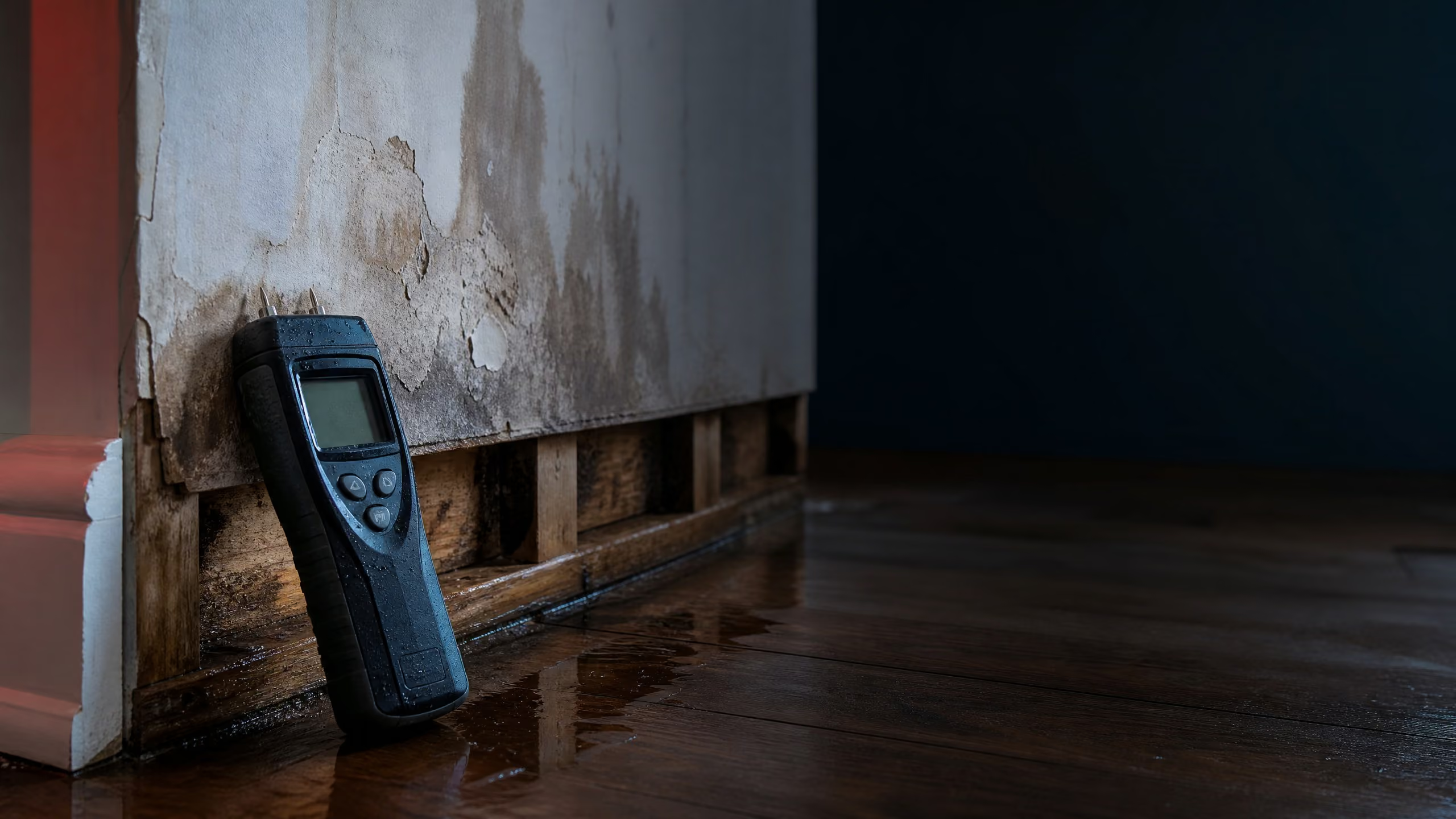
A professional water-damage inspection looks beyond the obvious wet spot. Moisture may be found beneath vinyl plank or hardwood flooring, behind baseboards, in wall cavities, under cabinets, or in adjoining rooms. Identifying the true affected footprint helps determine whether drying in place is appropriate or whether selective removal is necessary.
Water Removal and Structural Drying
Drying is not simply placing a few fans in the room. The goal is to remove moisture from affected materials and control conditions so the home can be returned to a dry, stable state. Some materials dry well; others may swell, delaminate, retain moisture, or be difficult to dry without opening part of the assembly.
Cleaning, Repairs, and Reconstruction
After drying and cleaning, repairs may range from replacing a few baseboards to rebuilding drywall, cabinets, flooring, or ceilings. Precision Restoration of Texas offers full-service restoration and reconstruction, so the transition from emergency water cleanup to repairs can be coordinated through one local team.
Can I Fix Water Damage Myself?
A homeowner can often manage the first aid for a small, contained spill. That can include stopping the water, protecting belongings, mopping up accessible water, and increasing ventilation.
Self-managed cleanup becomes less reliable when the source is uncertain, water has reached concealed materials, multiple rooms are involved, or the water is from a drain, sewer, flood, or another potentially contaminated source.
Call for a professional assessment promptly when any of the following applies:
- Water is under flooring, inside a wall, in a cabinet base, or coming through a ceiling.
- The affected area keeps growing, smells musty, or still feels damp after surface cleanup.
- The source involves sewage, unknown water, stormwater, or a major plumbing failure.
- Electrical components, structural materials, or multiple rooms may be affected.
The difference is not whether a homeowner is handy. It is whether the moisture condition can be confidently identified and controlled.
What to Do Immediately After Water Damage
- Stop the source if it is safe. Turn off the fixture valve or main water supply as needed.
- Protect people first. Stay away from electrical hazards, unstable ceilings, and contaminated water.
- Document the loss. Photograph the source, affected rooms, visible damage, and damaged belongings.
- Move items out of harm’s way. Relocate dry belongings and place foil or blocks beneath furniture legs where practical.
- Begin reasonable temporary mitigation. Remove accessible standing water and start drying, but do not make permanent repairs before speaking with the insurer if you may file a claim. [3]
- Arrange professional help when the scope is unclear. Quick evaluation is especially important for water behind walls, under floors, or in high-humidity conditions.
The Bottom Line: Water Damage Is Manageable When You Act Early
Fixing water damage in a house is not automatically a major reconstruction project. Many losses can be contained and restored with fast, informed action. However, delaying because the surface “looks dry” can turn a smaller water event into a larger repair.
Need water damage restoration in Houston or the surrounding area? Precision Restoration of Texas is available 24/7 to help assess the loss, begin emergency cleanup, and guide the next steps. Call (346) 209-2992 or request help online.
Frequently Asked Questions
How long does it take to repair water damage in a house?
It depends on the materials affected, the amount of water, the size of the area, and whether repairs are needed after drying. A small, contained loss may be resolved quickly, while water that traveled behind walls or beneath flooring can require a longer drying and rebuild process.
Is water damage always visible?
No. Water can move under flooring, inside walls, behind cabinets, and above ceilings. Visible staining or dampness may not reveal the entire affected area.
Should I replace drywall after water damage?
Not always. Some drywall may be dried and retained when conditions allow, while other sections may need removal if they are significantly affected or cannot be reliably dried. The decision should be based on the loss conditions and moisture evaluation.
Who should I call first for a burst pipe in Houston?
If the pipe is actively leaking, stop the water supply if it is safe and contact a qualified plumber for the plumbing repair. Then arrange water-damage restoration to assess and dry the affected building materials. If there is an insurance claim, document the damage and notify the carrier promptly.