.avif)

Beyond the Puddle: What Qualifies as Water Damage in a Houston Home?
Water Damage Restoration
Water damage is more than a flooded room. Learn what counts as water damage, how to spot hidden moisture, and when Houston homeowners should call for professional help.
The Short Answer
Water damage is physical damage to a home or its contents caused by unwanted water or excess moisture. It can include a visible flood on the floor, a ceiling stain, soaked drywall, warped flooring, wet insulation, damaged cabinets, or moisture hidden behind walls. It can come from plumbing, appliances, HVAC equipment, roofs, windows, drains, storms, or flooding.
For a homeowner, the useful question is not only “Is this water damage?” It is also “Where did the water come from, where did it travel, and is the area still wet?” Those details affect the urgency of cleanup, the health and safety considerations, the restoration method, and whether insurance coverage may apply.
Precision Restoration of Texas provides emergency water-damage restoration for Houston-area homes and businesses and can help assess the extent of a loss.
What Counts as Water Damage?
Water damage includes more than standing water. It happens when water or moisture changes the condition of a material, creates staining, weakens a building component, causes swelling or warping, damages personal property, or supports unwanted microbial growth.
Plumbing water damage can come from a burst pipe, leaking supply line, failed water heater, or dripping valve. Homeowners may notice puddles, damp cabinets, wall stains, reduced water pressure, or a higher water bill.
Appliance water damage can come from a washing-machine hose failure, dishwasher leak, or refrigerator line leak. Common signs include wet flooring, buckled boards, or damp drywall near the appliance.
Bathroom water damage can come from a toilet overflow, shower-pan leak, or tub overflow. You may notice loose flooring, a swollen vanity base, or staining on the ceiling below.
HVAC-related water damage can come from a condensate-line backup or overflow-pan problem. The signs may include ceiling spots, a damp area near the air handler, or a musty odor.
Roof and exterior water intrusion can come from a storm-damaged roof, flashing failure, window leak, or door leak. Look for ceiling stains, damp attic insulation, or wet drywall after rain.
Drain, sewer, or floodwater damage can come from a backed-up drain, sewer backup, or water entering from outside. These losses may involve dirty or odorous water, broad-area saturation, and potential contamination concerns.
A stain, odor, or warped plank is not “just cosmetic” if it indicates moisture remains in the building. The key is identifying the water source and checking the materials around it.
Visible Water Damage vs. Hidden Water Damage
Visible damage gets attention quickly. A wet ceiling, soaked carpet, or water running across the kitchen floor is hard to ignore. Hidden water damage is quieter and can be missed because it collects in spaces homeowners cannot see.
Visible Signs of Water Damage
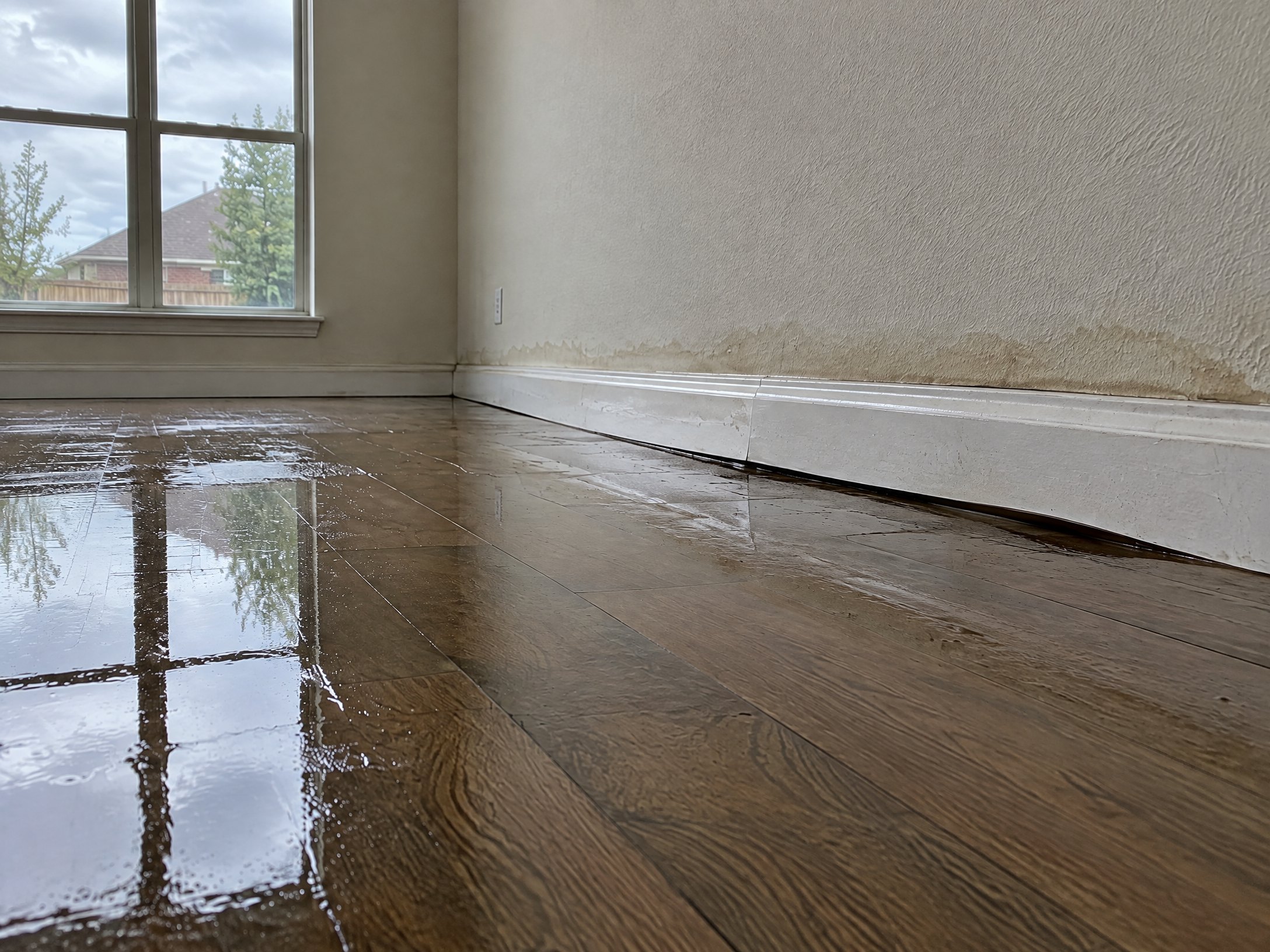
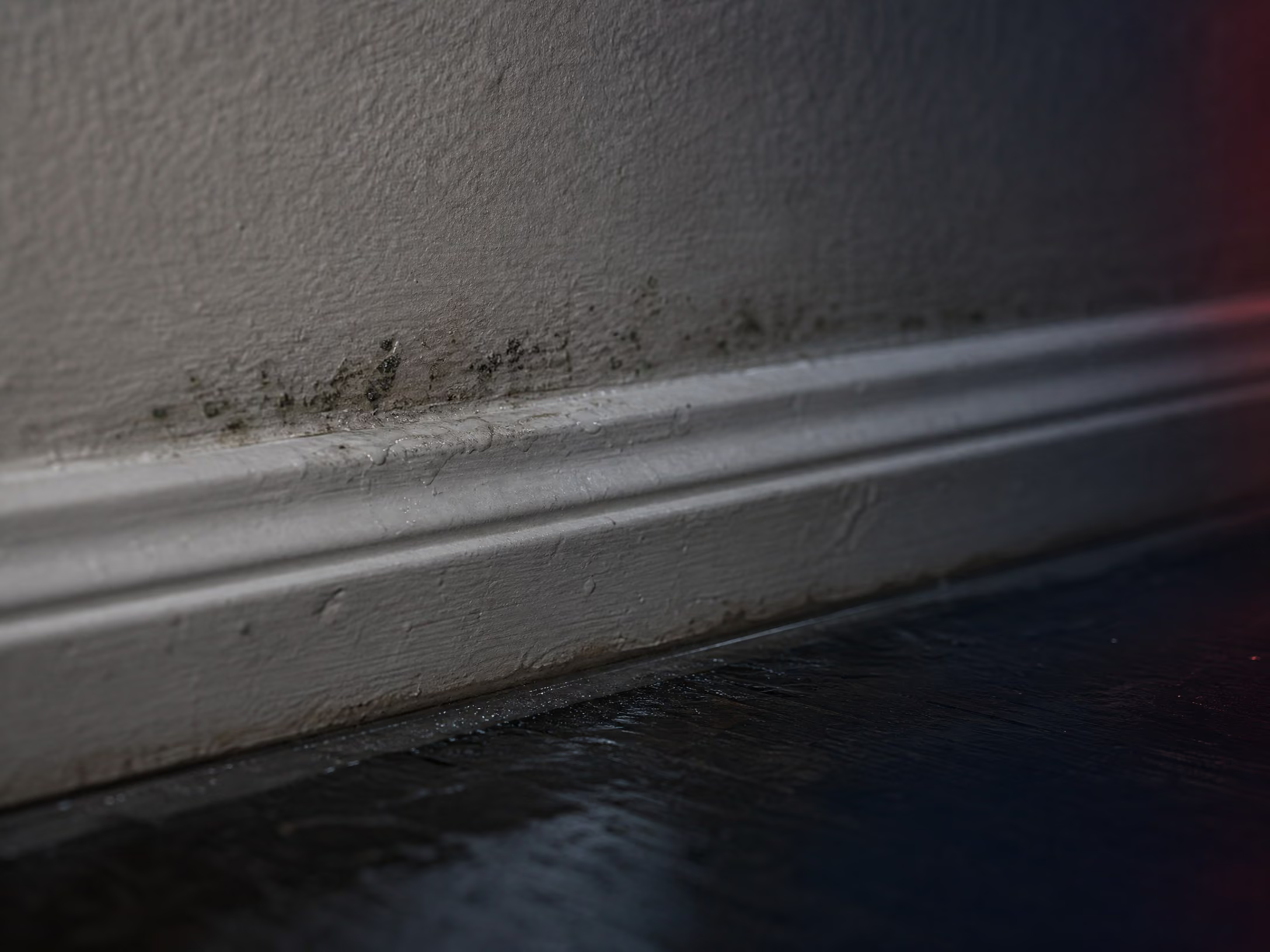
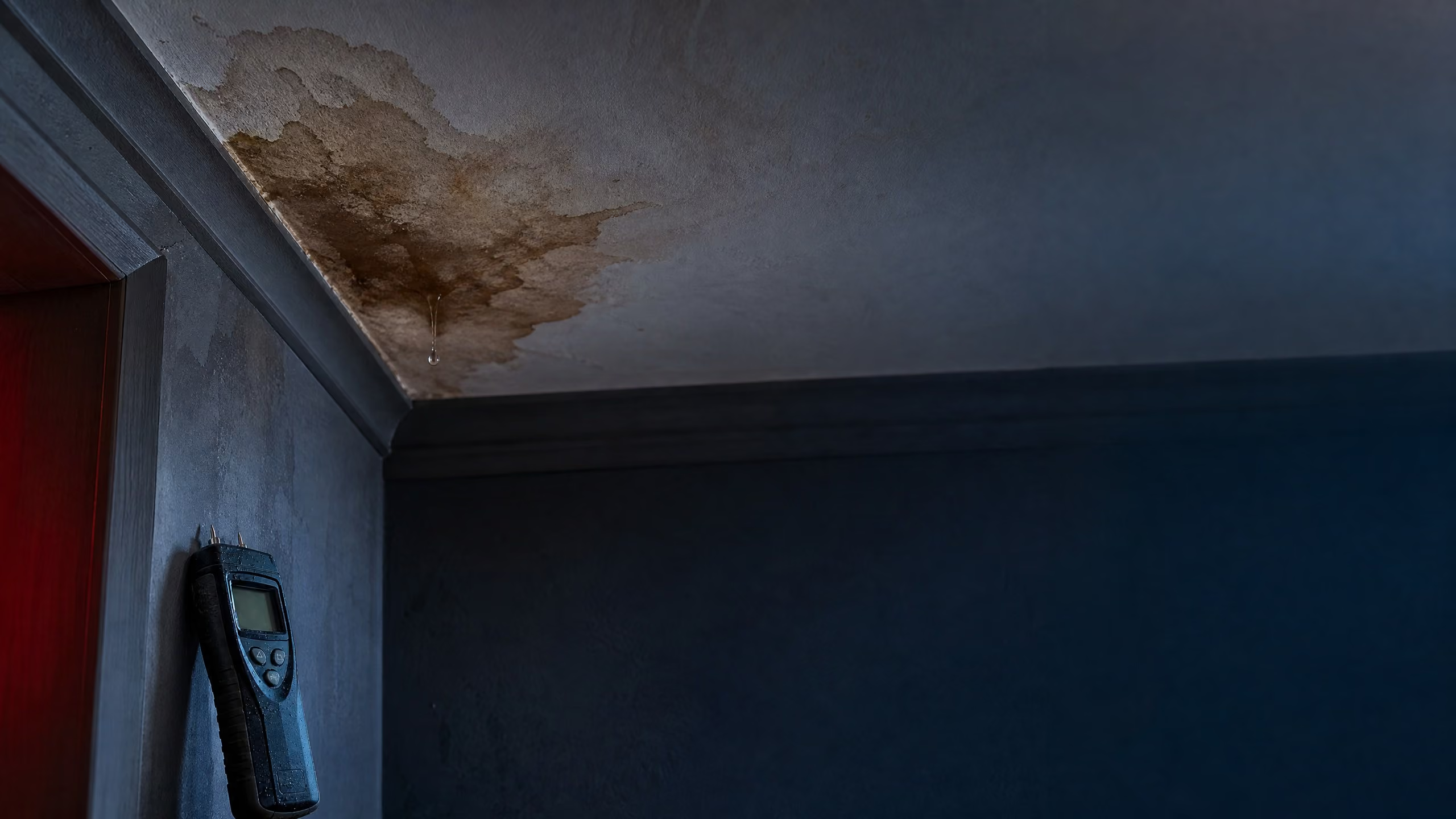
Visible signs may include discoloration on drywall or ceilings, bubbling or peeling paint, warped hardwood or laminate flooring, swollen baseboards, wet carpet, a damaged cabinet toe-kick, or an active drip. These signs indicate that the material has already been exposed to water or excess moisture.
Hidden Signs of Water Damage
Hidden water damage can appear as a musty smell, a recurring stain, a soft area in flooring, a loose baseboard, an unusually damp cabinet, condensation where it does not belong, or a wall that feels cool or damp. It may also show up as a ceiling stain that grows after rain or after using a bathroom on the floor above.
Do not wait for a room to look flooded. A small, repeated sign is often enough reason to investigate, especially around plumbing fixtures, appliances, HVAC equipment, roofs, and exterior openings.
Common Causes of Water Damage in Greater Houston Homes
In the Houston area, water damage can originate from inside the house or from weather-related intrusion. Both need fast attention, but they may involve different safety and insurance considerations.
Plumbing and Appliance Failures
Supply lines, water heaters, washing-machine hoses, dishwashers, refrigerator lines, and toilet components can fail suddenly. A sudden break may release a large amount of water in a short time, especially if no one is home to notice it.
The Texas Department of Insurance identifies burst pipes, toilet overflows, and broken washer hoses as examples of sudden and accidental water damage that many homeowners and renters policies cover, subject to the policy terms. [1]
HVAC Condensate Problems
Houston’s long cooling season means air-conditioning systems work hard. A clogged or overflowing condensate system can create water damage around the air handler, inside a closet, or on a ceiling below. The stain may appear small even if moisture has affected insulation or drywall behind the surface.
Roof, Window, and Exterior Leaks
A roof leak is water damage when rain enters and affects ceilings, insulation, walls, flooring, or contents. The entry point may be far from the visible stain because water can travel along framing members or through insulation before dropping into the room below.
Sewer, Drain, and Floodwater Intrusion
Water from a backed-up drain, sewer, or external flood event requires more caution than a clean-water supply-line leak. The immediate goal is to keep people away from potentially contaminated water and arrange appropriate cleanup. Insurance treatment also differs: standard home policies often exclude flood damage, and coverage for sewer or drain backup depends on the policy. [2] [3]
Does a Small Leak Qualify as Water Damage?
Yes. A small leak can qualify as water damage when it affects a material or personal property, even if there is no large puddle. A slow drip that swells a cabinet base, stains a ceiling, loosens flooring, damages drywall, or creates a persistent damp condition has caused water damage.
However, an insurance claim is a separate question. The Texas Department of Insurance says most home policies usually do not cover water damage from gradual leaks or seepage, even though the physical damage is real. [2]
In other words, homeowners should keep two questions separate. First, has the home been damaged by water or moisture? That determines whether cleanup, drying, and repairs may be needed. Second, is the loss covered by the insurance policy? That depends on the cause, policy language, exclusions, endorsements, limits, and deductible.
When Water Damage Becomes an Emergency
Not every damp cabinet requires a middle-of-the-night response, but some situations should be handled immediately. Call for urgent help when water is actively flowing, the ceiling is sagging, water is near electrical components, multiple rooms are affected, a toilet or drain has backed up, or stormwater is entering the home.
The Texas Department of Insurance recommends stopping the water flow as soon as possible, removing pooled water, beginning drying, and moving wet items to a dry area. It also notes that mold can start growing within a day after a leak. [2]
For a homeowner in Houston, Spring, The Woodlands, Conroe, Cypress, Katy, Kingwood, Sugar Land, Pearland, or a nearby community, a professional assessment is especially valuable when the water source is unknown or when the damage may extend beyond the visible surface.
What Should You Do When You Find Water Damage?
Start with safety and source control. If the area is safe to enter, stop the leak at the fixture or main water supply. If water is near electrical outlets, appliances, or a breaker panel, stay clear and seek appropriate assistance.
Next, document the situation before the damage is cleaned up. Take photos and video of the source, wet materials, affected rooms, and damaged contents. The Texas Department of Insurance recommends taking pictures before repairs and retaining damaged items until the adjuster has seen them when an insurance claim is involved. [3]
Then begin reasonable measures to prevent further harm. Move belongings away from the water, remove accessible standing water, and start ventilation or drying where appropriate. Avoid permanent repairs before you speak with the insurer if you expect to submit a claim. [3]
Why a Professional Assessment Can Make a Difference
Water does not always remain where it first appears. It can follow gravity, wick into materials, move under flooring, and collect in enclosed assemblies. A proper assessment helps determine whether the area can dry in place or whether part of the material needs to be removed so the structure can be cleaned and dried effectively.
Precision Restoration of Texas offers water damage cleanup, mold remediation, reconstruction, and insurance-claim assistance for the Houston area. The team is available 24/7 for emergency restoration needs.
The Bottom Line: Water Damage Is Any Unwanted Water That Affects Your Home
If water or excess moisture has stained, softened, warped, swollen, saturated, or otherwise altered part of your home or belongings, it qualifies as water damage. It might be dramatic, like a burst pipe, or subtle, like a ceiling stain that returns after every storm.
When in doubt, act early. Addressing the source and confirming whether materials are wet can limit the repair scope and help protect the home. For water damage cleanup in Houston and the surrounding area, call Precision Restoration of Texas at (346) 209-2992 for 24/7 assistance.
Frequently Asked Questions
Is a water stain on the ceiling considered water damage?
Yes. A ceiling stain indicates that water or moisture reached the ceiling material. The source should be identified because it may be a plumbing, HVAC, roof, or exterior-entry issue.
Does condensation count as water damage?
It can. Condensation that repeatedly wets building materials, causes staining, swelling, peeling paint, or microbial growth can create water damage and should be investigated.
Is a leaking roof considered water damage?
Yes, when rainwater enters and affects the home’s materials or contents. The visible stain may not be directly beneath the roof entry point because water can travel before it becomes visible.
Is sewer backup water damage?
Yes, but it should be treated differently from a clean-water plumbing leak because it may involve contamination. Insurance coverage for water or sewage entering through sewers or drains depends on the policy. [3]